The First Suspect: Not Enough Sunlight
Matt has installed several solar-powered gates, and they have typically operated without a problem. Most automated gates he works with use a conventional electrical connection, but solar gates can be an excellent option for rural driveways and properties where running electrical service would be difficult or expensive.
Because this gate relied on solar energy stored in batteries, sunlight was the first place Matt looked.
The original solar panel was not receiving enough morning sun to keep the batteries properly charged. Trees and shade are common challenges on North Georgia properties, especially along wooded driveways.
The solution seemed simple: Matt installed a second solar panel and positioned it to capture more of the afternoon sunlight.
With additional sunlight reaching the system, the batteries should have been able to charge.
But the gate still wouldn’t operate.
The Second Suspect: A Faulty Circuit Board
When the additional panel failed to solve the problem, attention turned to the gate’s control board.
The circuit board acts as the brain of an automatic gate system. It receives signals from the remote, safety devices and gate operator before telling the gate when to open or close. If the board fails, the entire system can appear lifeless or behave unpredictably.
Matt replaced the circuit board, expecting the gate to return to normal.
It didn’t.
At this point, the obvious possibilities had been addressed. The system had more sunlight, a new circuit board and batteries that should have been charging. Something less obvious was interfering with the gate’s operation.
The Real Problem Was Hiding Along the Fence
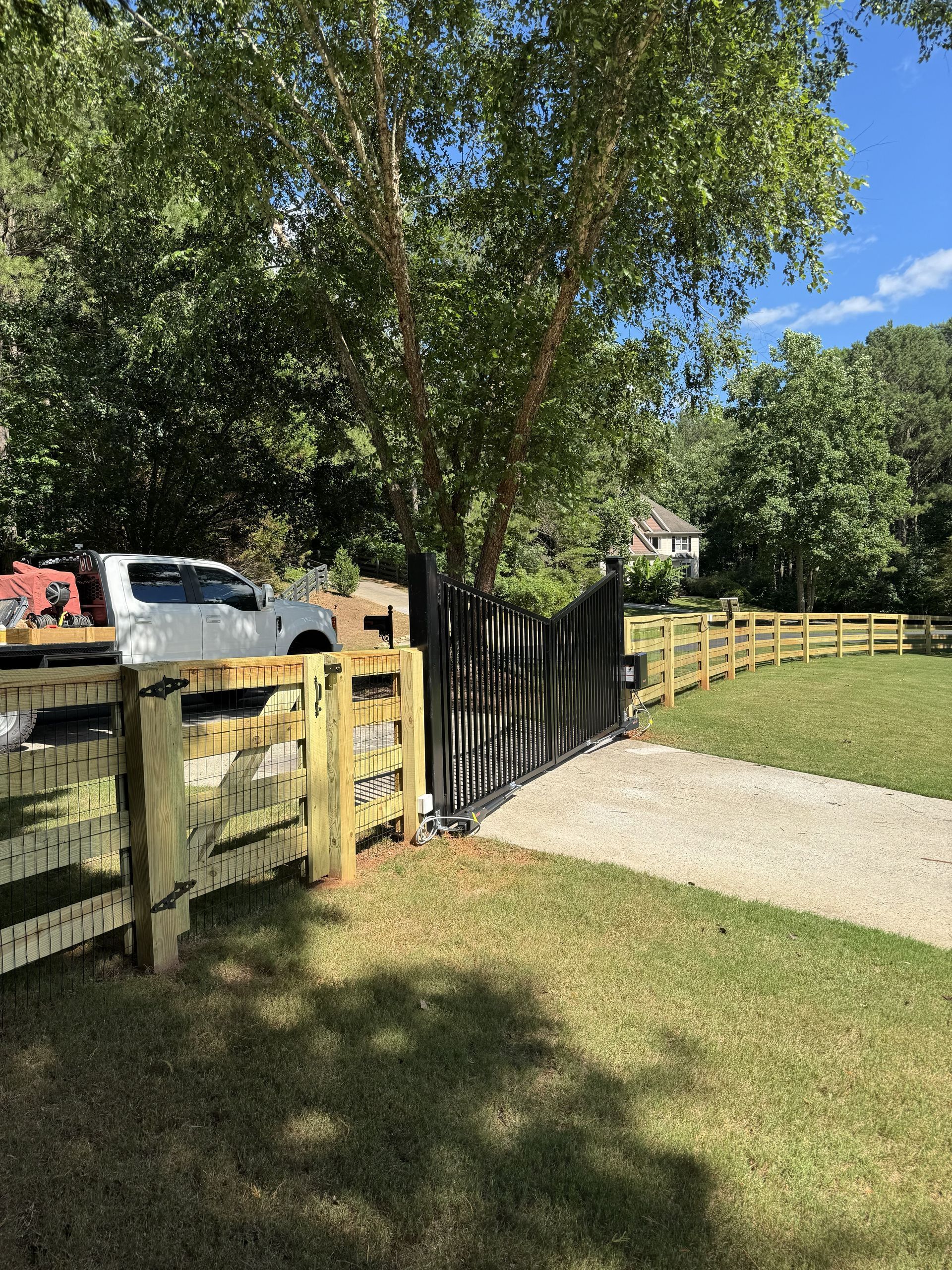
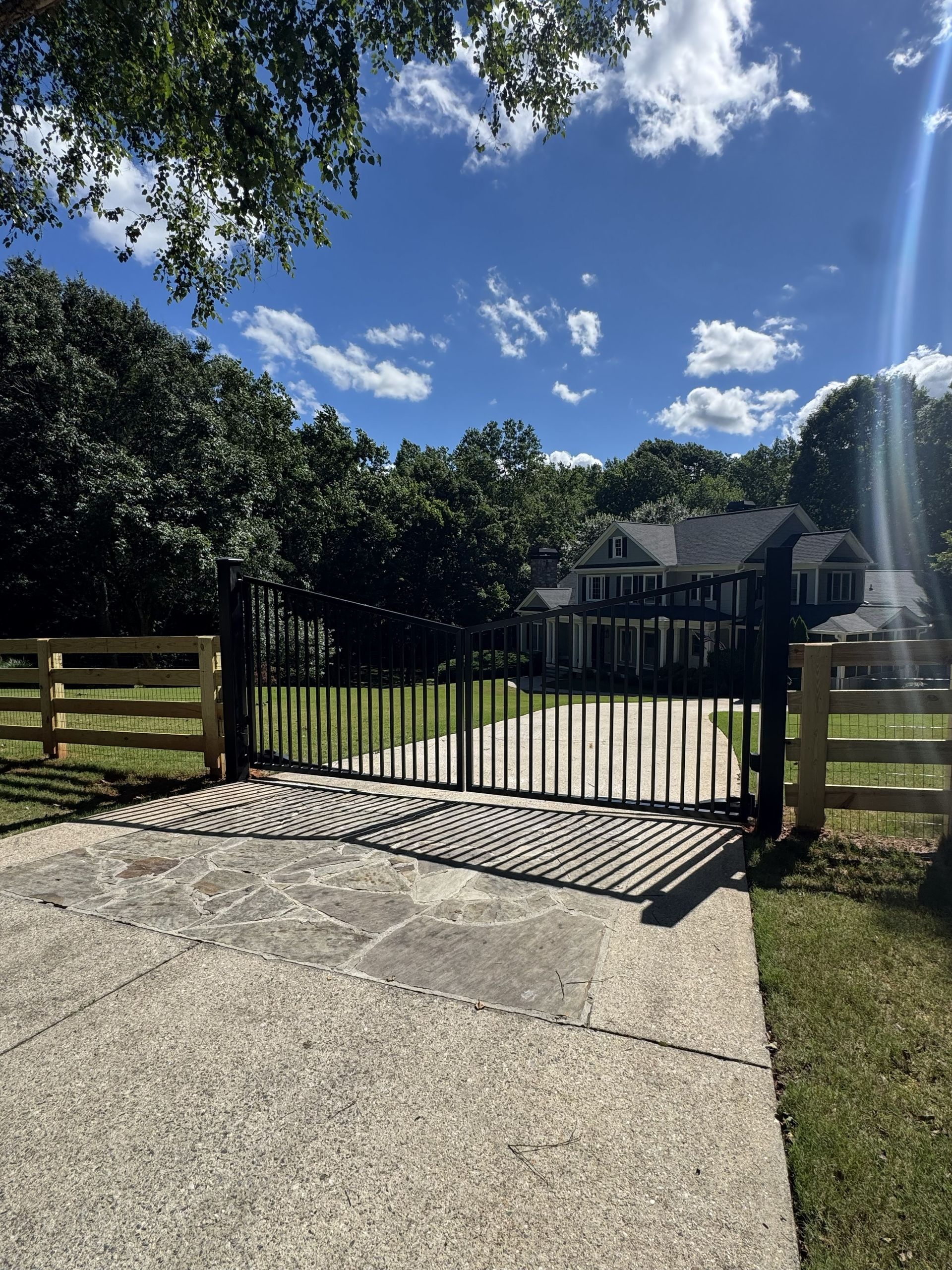
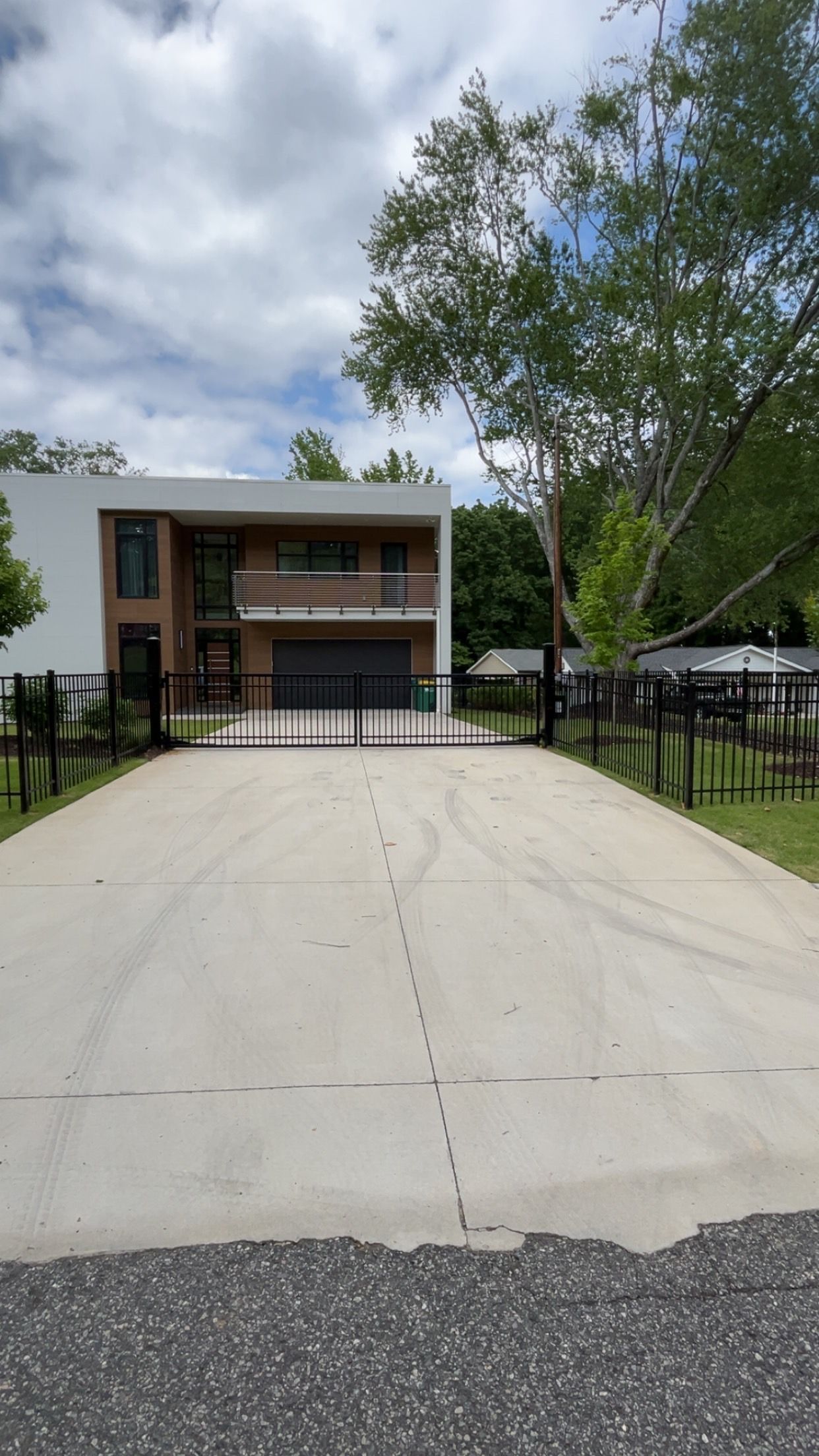
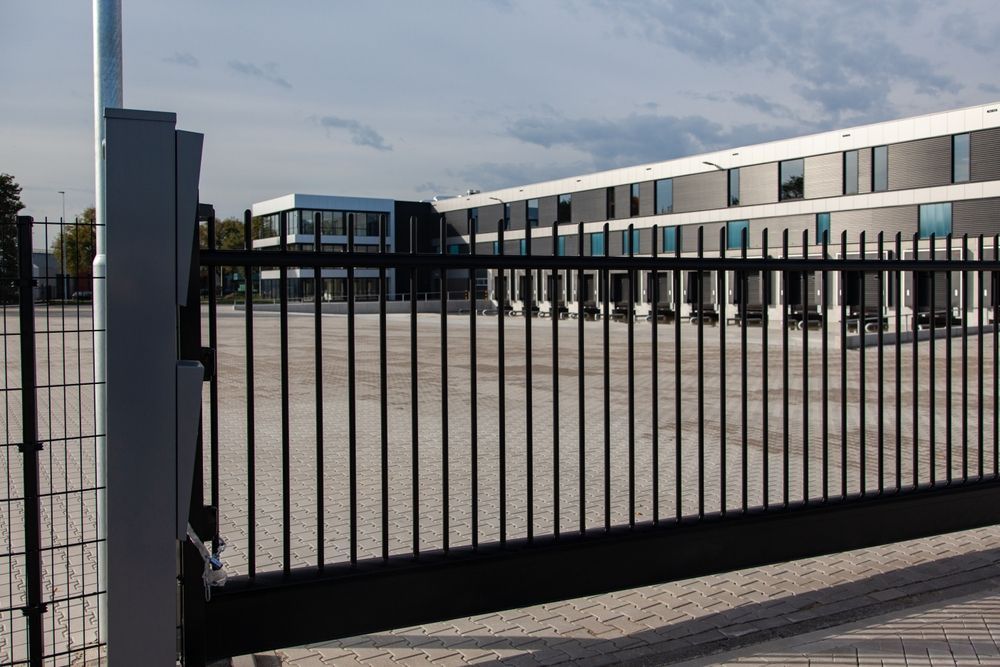
The interior side of the driveway gate, where the routing of the photo-eye wire became central to the diagnosis.
To keep the installation neat and follow the requested route, the wire leading to the gate’s photo eye had been wrapped around the fence line.
A photo eye is an important safety device. It creates an invisible beam across the gate opening and helps prevent the gate from closing when a vehicle, person, pet or other object is in its path.
The wire looked fine while the gate was closed. However, when the gate opened, its movement pinched the wire against the fence. That damage caused the photo eye to become “blind.” Because the safety system could no longer confirm that the opening was clear, the gate could not complete its normal operating cycle.
Then one phone call to the manufacturer revealed the final piece of the puzzle.
On this particular system, the batteries would not charge while the gate remained open.
That created a frustrating cycle:
- The moving gate pinched the photo-eye wire.
- The photo eye could no longer function correctly.
- The gate remained open because of the safety fault.
- While the gate was open, the batteries could not recharge.
- The loss of battery power made the problem appear to be related to the solar panels or circuit board.
The true cause was not a lack of sunlight or a defective control board. It was one pinched wire affecting several parts of the system at once.
Sometimes the Smallest Detail Causes the Biggest Problem
Once the wiring issue was identified and corrected, the system could complete its operating and charging cycle as intended.
This project is a good example of why automatic and solar gate troubleshooting requires more than replacing the first component that appears suspicious. Every part of the system—including the panels, batteries, circuit board, safety sensors, wiring and gate position—works together.
A problem in one small wire can make the entire gate appear to have lost power.
What North Georgia Property Owners Can Learn From This Project
If you are considering a solar-powered driveway gate, the property should be evaluated carefully before installation. Important factors include:
- The amount of direct sunlight available throughout the day
- Seasonal shade from nearby trees
- Solar-panel placement and direction
- The route and protection of safety-sensor wiring
- How frequently the gate will open and close
- The charging requirements of the specific gate operator
Professional installation and careful troubleshooting can help prevent a minor issue from turning into repeated repairs or unnecessary replacement parts.
Need Help With an Automatic or Solar Gate?
If your driveway gate is moving slowly, refusing to close, losing battery power or not responding at all, North Georgia Fence & Gate can inspect the complete system and help identify the real source of the problem.
We provide electric and solar gate installation, automatic gate troubleshooting and gate repair services for properties throughout North Georgia.
Contact North Georgia Fence & Gate or call
(770) 762-5960 to request an estimate.