An automated gate is more than a luxury; it is a functional piece of security infrastructure for your home. While many homeowners begin their search focusing on the aesthetic of wrought iron or the privacy of wood, the true value of an automated system lies in its daily reliability and safety. The
best fence and gate contractor could make all the difference in your electric gate.
The primary misunderstanding in this industry is that "a gate is just a gate." In reality, a gate is a complex mechanical system where the motor, the material, and the terrain must work in perfect synchronization. This guide provides a clear framework for navigating the technical and practical decisions required before purchasing an automated gate system.
The Operational Reality: Why Gate Systems Fail
In the world of automated access, friction is the enemy. Most homeowners struggle with "invisible" complexities that typical contractors ignore:
- The Weight-to-Power Mismatch: A motor that isn't rated for the heavy cycle of a solid wood gate will burn out within 18 months.
- Environmental Strain: Atlanta’s humidity and sudden summer storms put immense stress on electrical components and sliding tracks.
- Space & Slope Constraints: A swing gate requires a perfectly level arc; a sliding gate requires a track length double the width of the driveway. Ignoring these leads to dragging, sticking, and motor failure.
Core Insights for a Successful Installation
1. Matching Material to Environment
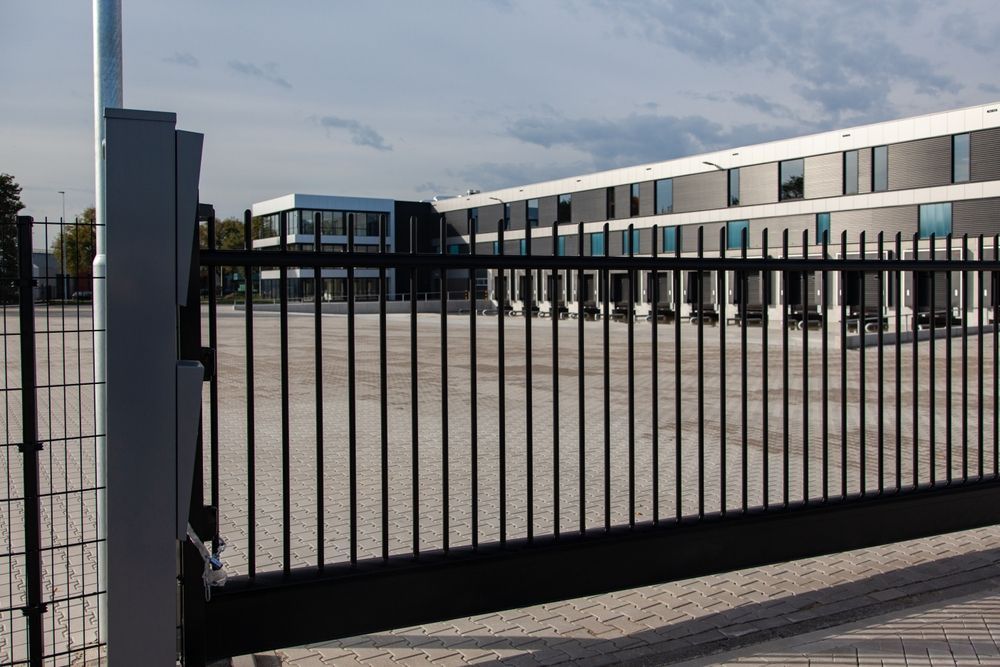
- Aluminum Gates: Ideal for high-traffic areas because they are lightweight and naturally rust-resistant.
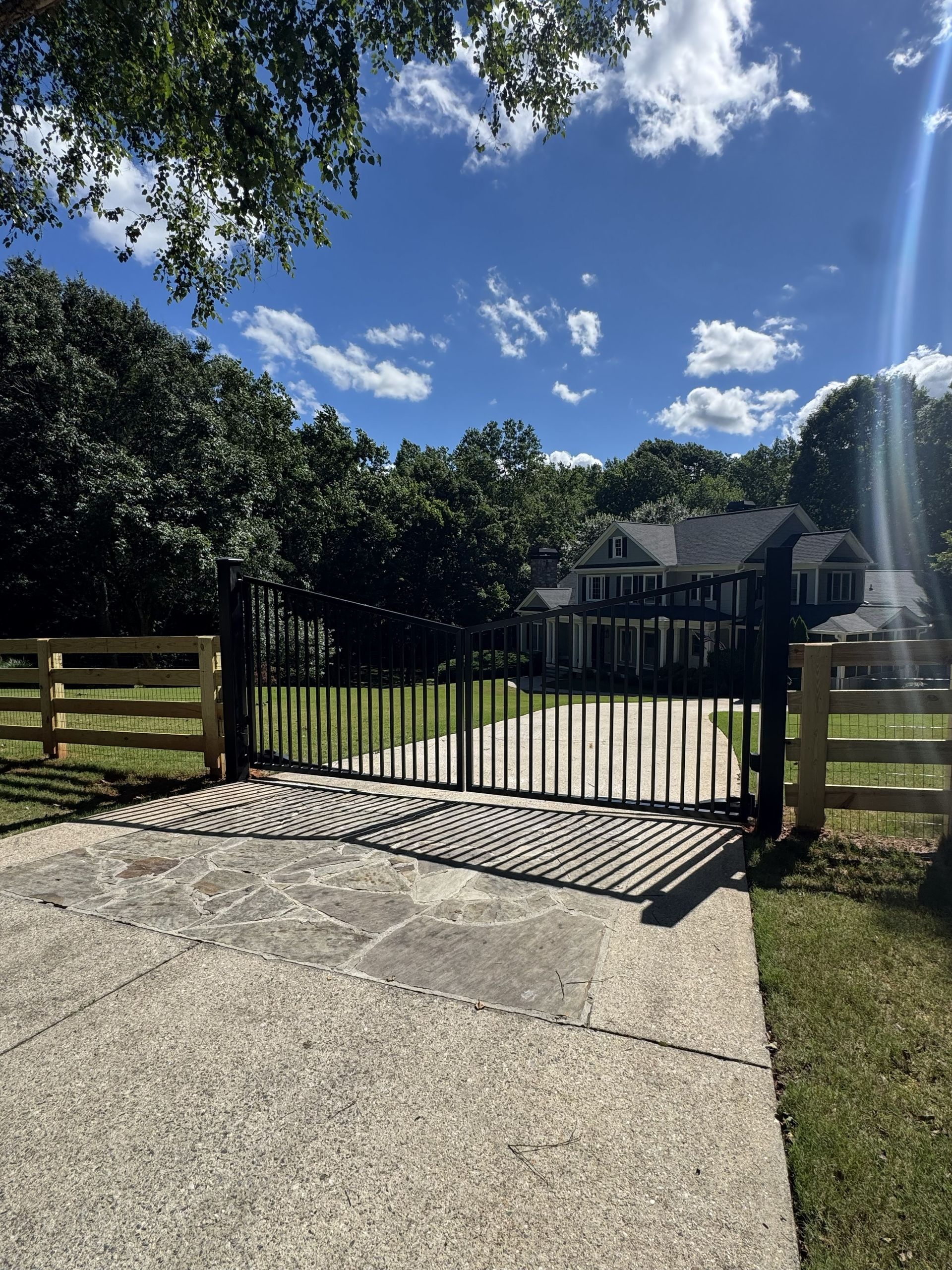
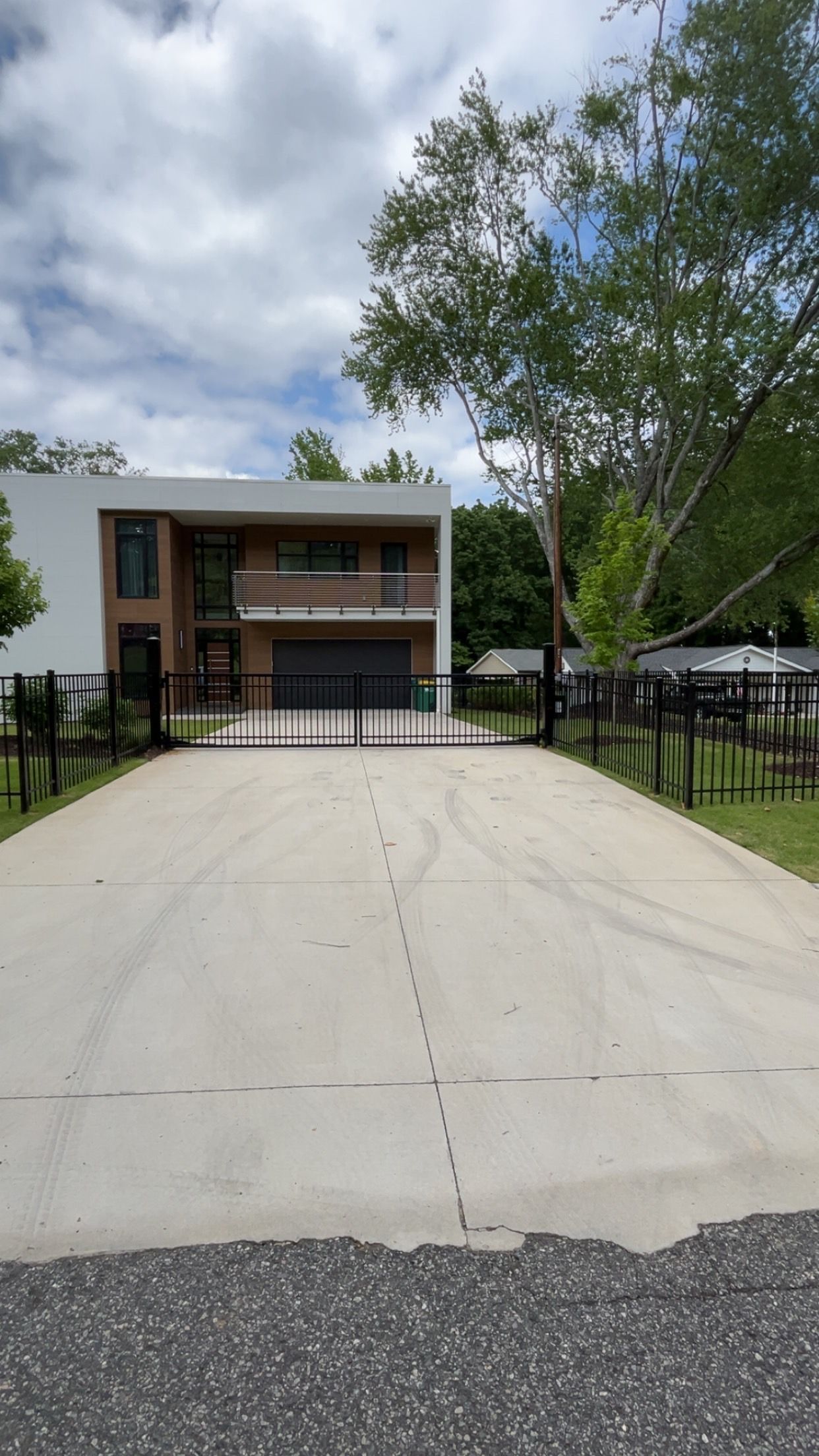
- Wrought Iron & Steel: Provide classic elegance and maximum durability, though they require more powerful operators due to their weight.
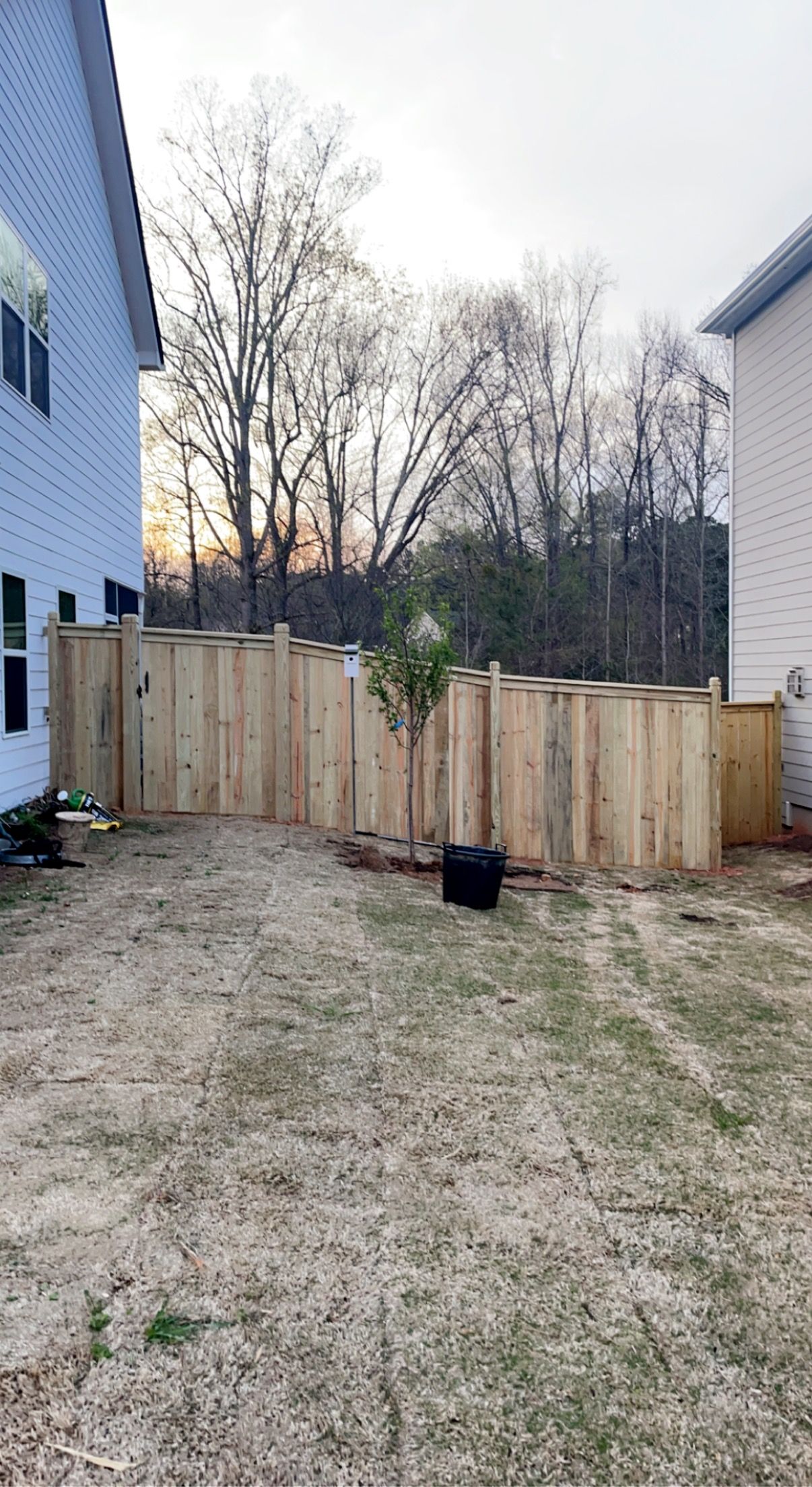
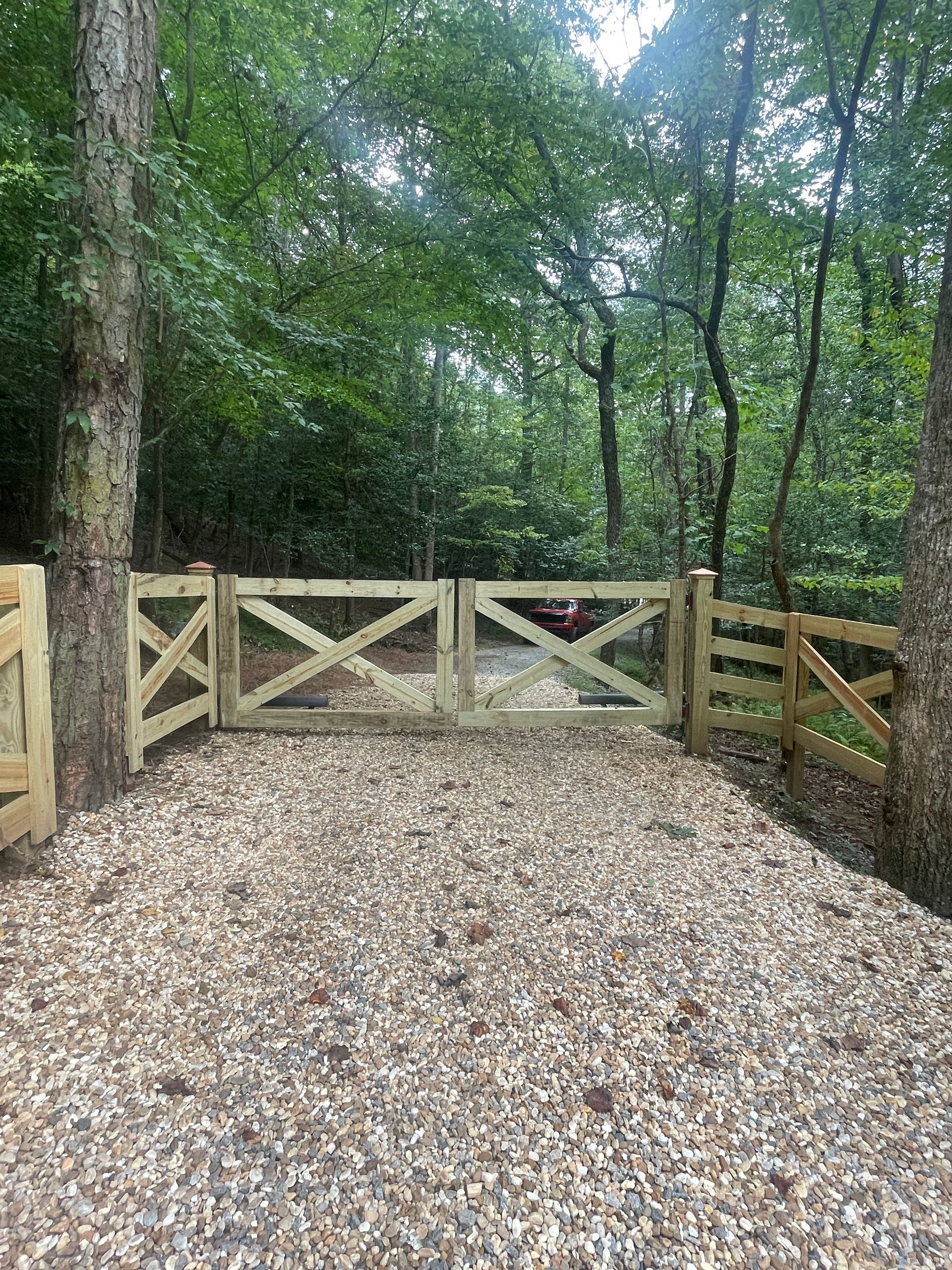
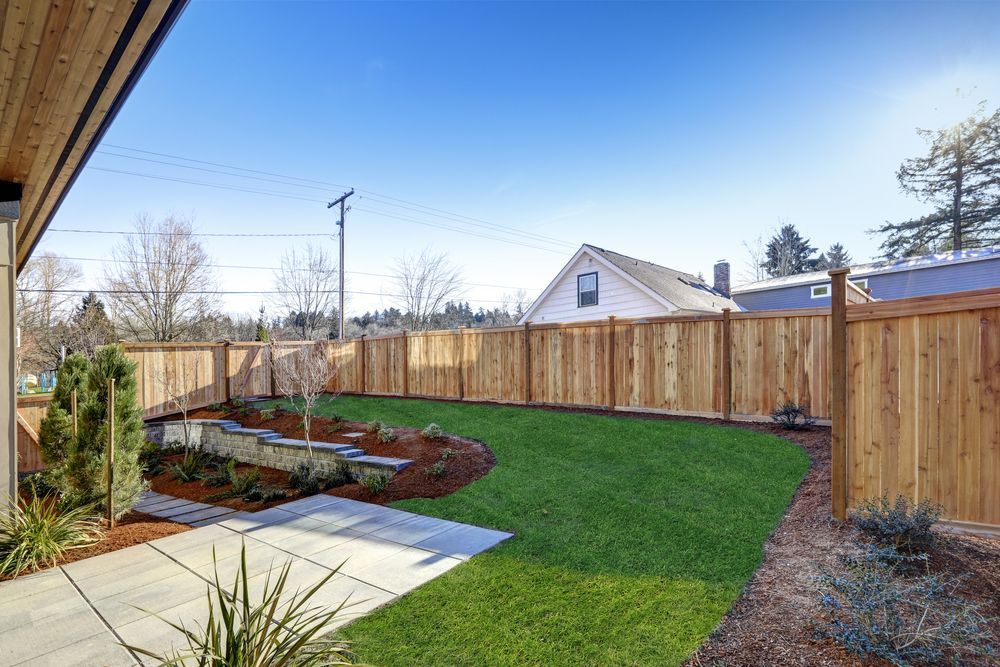
- Wood & Composite: These offer the highest privacy but act like a "sail" in the wind, requiring heavy-duty operators to prevent the motor from over-torquing during a breeze.
2. Selecting the Right Operator (The "Brain" of the Gate)
A gate is only as good as the motor that pulls it. At
NGA Fence, we specialize in matching the specific gate type—swing, sliding, cantilever, or vertical lift—to the appropriate industry-leading operator.
- Solar-Powered: Best for long driveways where running electrical conduit is cost-prohibitive.
- Battery Backups: Essential for ensuring your security never fails during a power outage.
- Heavy-Duty Commercial: Built for high-cycle performance where multiple vehicles enter and exit daily.
The NGA Fence Differentiation
Many contractors treat a gate installation as a one-size-fits-all project, often using generic motors for every gate type. This leads to frequent service calls and safety risks.
NGA Fence differentiates by prioritizing the "Total System Load" because we know that an under-powered motor is the leading cause of gate failure. We don't just hang a gate; we engineer an entry solution using premium brands like LiftMaster, Viking, and DoorKing to ensure whisper-quiet, long-term operation.
⚠️ Caution: Common Pitfalls
- Ignoring Ground Movement: Driveways shift. If your posts aren't set deep enough with proper footings, the gate will eventually misalign, causing the motor to jam.
- DIY Operators: Retail-grade operators often lack the "duty cycle" capacity for daily use, leading to frequent overheating and gear stripping.
The Driveway Gate Planning Checklist
Use these 10 questions to vet your contractor and ensure your installation is engineered for long-term performance.
Question for the Contractor:
Why This Answer Matters to You
1. How do you calculate the required horsepower for the gate operator?
If they "guesstimate," the motor will likely be under-powered. It must be based on gate weight, length, and wind resistance.
2. Does this specific motor have a battery backup system?
In Atlanta, storms are frequent. Without a battery backup, you will be manually winching your gate open in the rain during a power outage.
3. What depth and PSI of concrete are used for the gate posts?
Gate posts endure immense leverage. Anything less than 36"–48" depth (depending on gate size) can lead to leaning and misalignment.
4. How do you handle safety entrapment protection?
Modern UL 325 standards require specific photo-eyes or edge sensors. Skipping these is a major safety and liability risk.
5. Is the operator rated for "Continuous Duty" or "Limited Duty"?
For busy households or commercial sites, a limited-duty motor will overheat and shut down during peak morning or evening hours.
6. How will the gate handle the slope of my driveway?
Swing gates cannot swing "uphill" without specialized hinges that put stress on the motor. A sliding or cantilever gate might be a better technical fit.
7. What brand of hardware (hinges/rollers) do you use?
The motor moves the gate, but the hardware bears the weight. High-quality sealed bearings prevent the "squeal" and drag that kills motors.
8. Do you provide a "Turn-Over" demonstration after installation?
You should be taught how to use the manual release key and how to test the safety sensors yourself.
9. What is your process for underground conduit and wiring?
Low-voltage or high-voltage wires should be in protective conduit at a specific depth to prevent accidental cuts during future landscaping.
10. Why is this specific brand (e.g., LiftMaster or Viking) the best fit for my home?
A professional should be able to explain the specific mechanical advantage of the brand they are recommending for your unique setup.
Secure Your Perimeter with Confidence
Choosing an
electric gate is an investment in your property’s value and your family's security. By focusing on the synergy between material choice and operator power, you ensure a system that works every time you press the button. At
NGA Fence, we combine operational expertise with high-quality components to deliver gates that are as reliable as they are beautiful.
FAQS