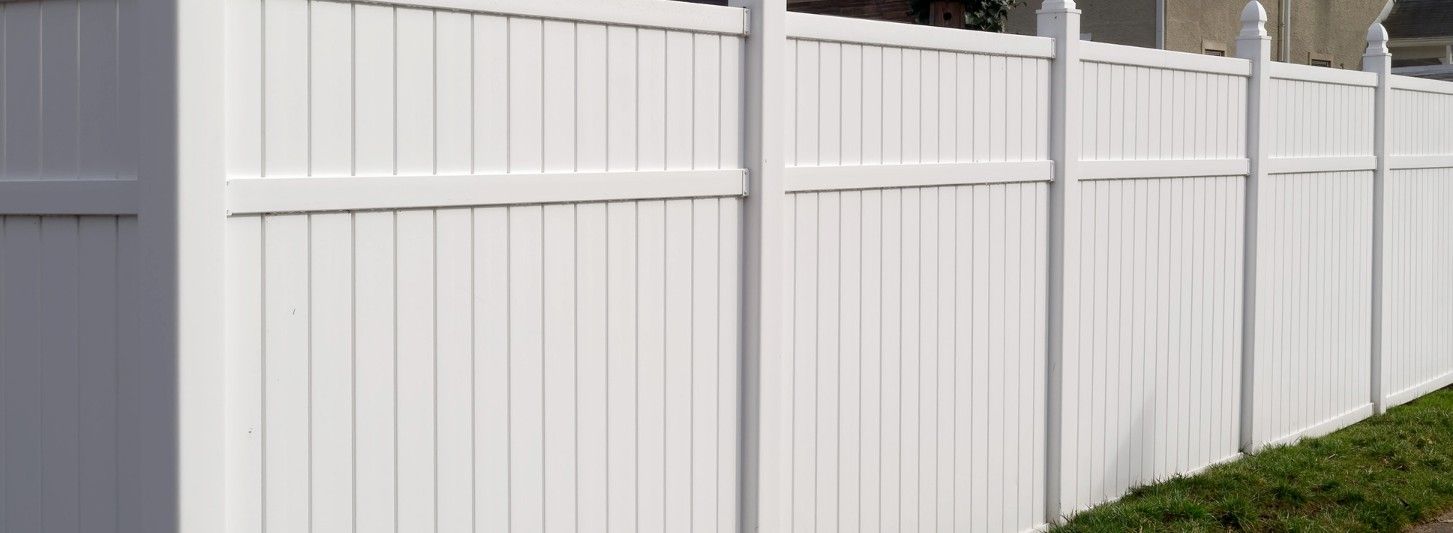
Installing a new fence is one of the most effective ways to improve privacy, security, and curb appeal for your property. Before any installation begins, accurate measurement is one of the most important steps in the entire process. Even small mistakes in measuring can lead to incorrect material estimates, boundary issues, or added costs.
Taking the time to properly measure your yard helps ensure a smooth installation and a finished fence that fits your property exactly the way it should. This guide walks through the process step by step so you can prepare with confidence.
Step 1: Identify Your Property Lines
Before measuring anything, you need to know exactly where your property begins and ends. This is one of the most important steps in the entire process.
- Check your property survey or plat map
- Look for boundary markers or pins in your yard
- If unsure, contact a surveyor for confirmation
Installing a fence even slightly outside your property line can create legal issues or require removal later. Taking time to confirm this step prevents costly mistakes.
Step 2: Walk the Perimeter of Your Yard
Once you know your boundaries, walk the full perimeter of the area where the fence will be installed.
- Use stakes or spray paint to mark corners
- Identify slopes, trees, or obstacles
- Note any gates or entry points you want to include
This step helps you visualize the layout and plan where the fence will go. It also helps you understand how the yard shape may affect installation.
Step 3: Measure Each Side Accurately
Next, measure each section of your yard using a measuring tape or measuring wheel.
- Measure from corner to corner along each side
- Record each measurement separately
- Double check all numbers for accuracy
- Note uneven or curved areas carefully
Be as precise as possible. Even a small miscalculation can affect how much material you need.
Step 4: Plan for Gates and Entry Points
Think about how you will enter and exit your yard once the fence is installed.
- Decide where gates will be placed
- Measure gate openings carefully
- Consider foot traffic and vehicle access if needed
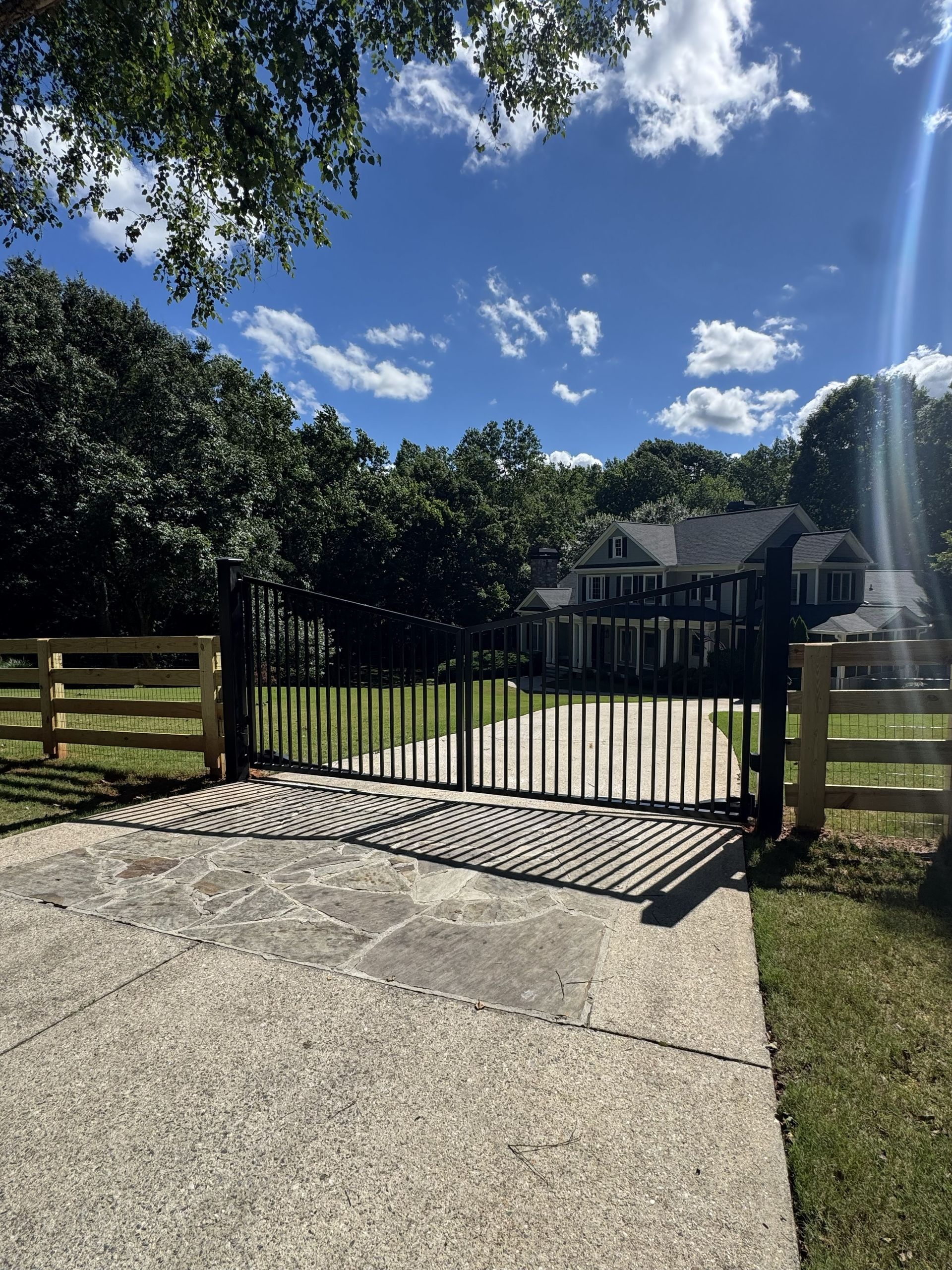
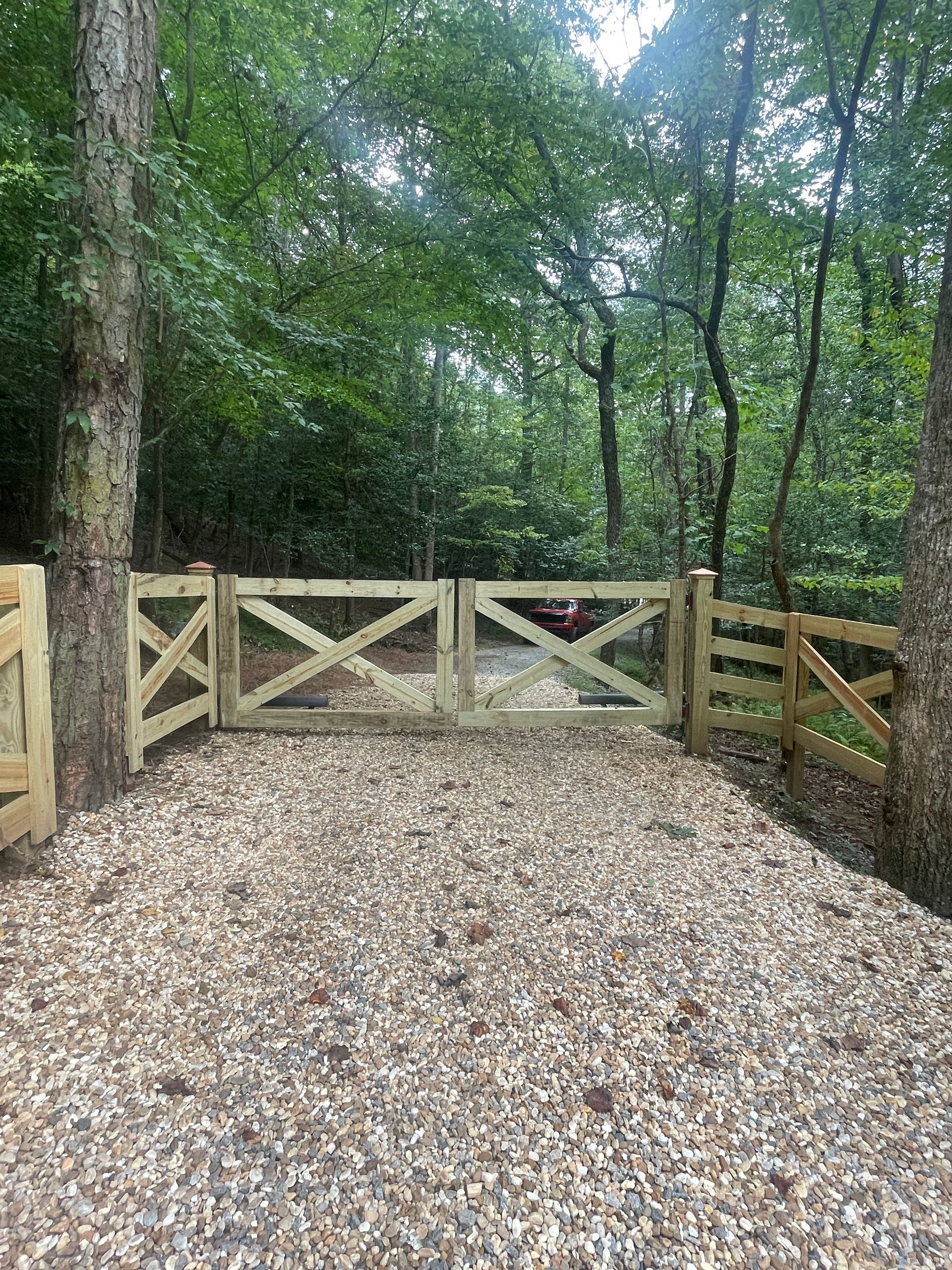
Gates require exact spacing, so this step is just as important as measuring fence lines. Poor placement can make access inconvenient later.
Step 5: Account for Terrain and Slopes
Not all yards are flat. Slopes and uneven ground can affect how your fence will be installed.
- Identify areas with elevation changes
- Note steep or gradual slopes
- Consider how the fence will follow the ground
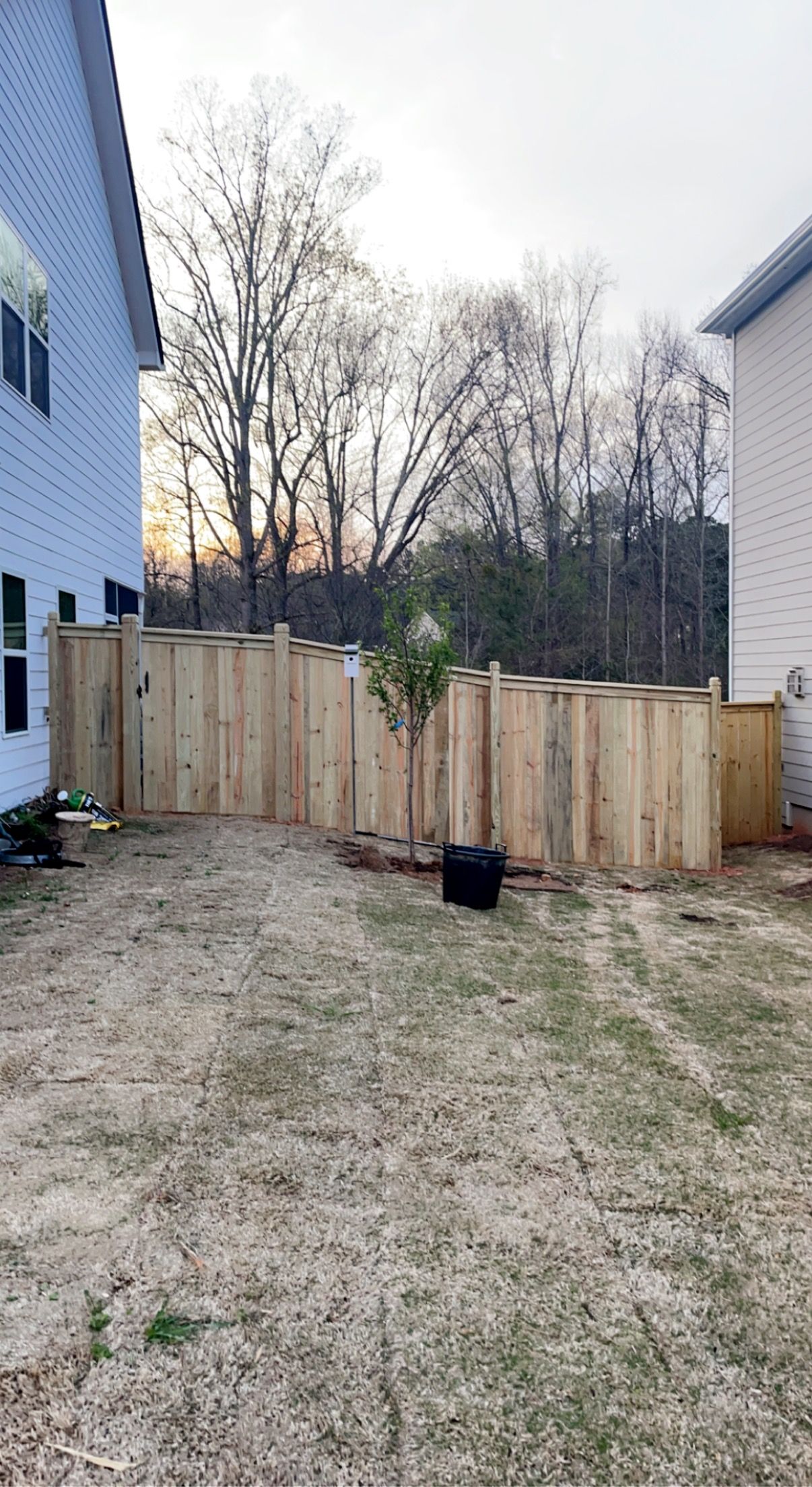
Some fences step down with the slope, while others follow the contour. Understanding your terrain helps determine the best installation method.
Step 6: Choose Your Fence Type
Different fence materials require different planning approaches. For example,
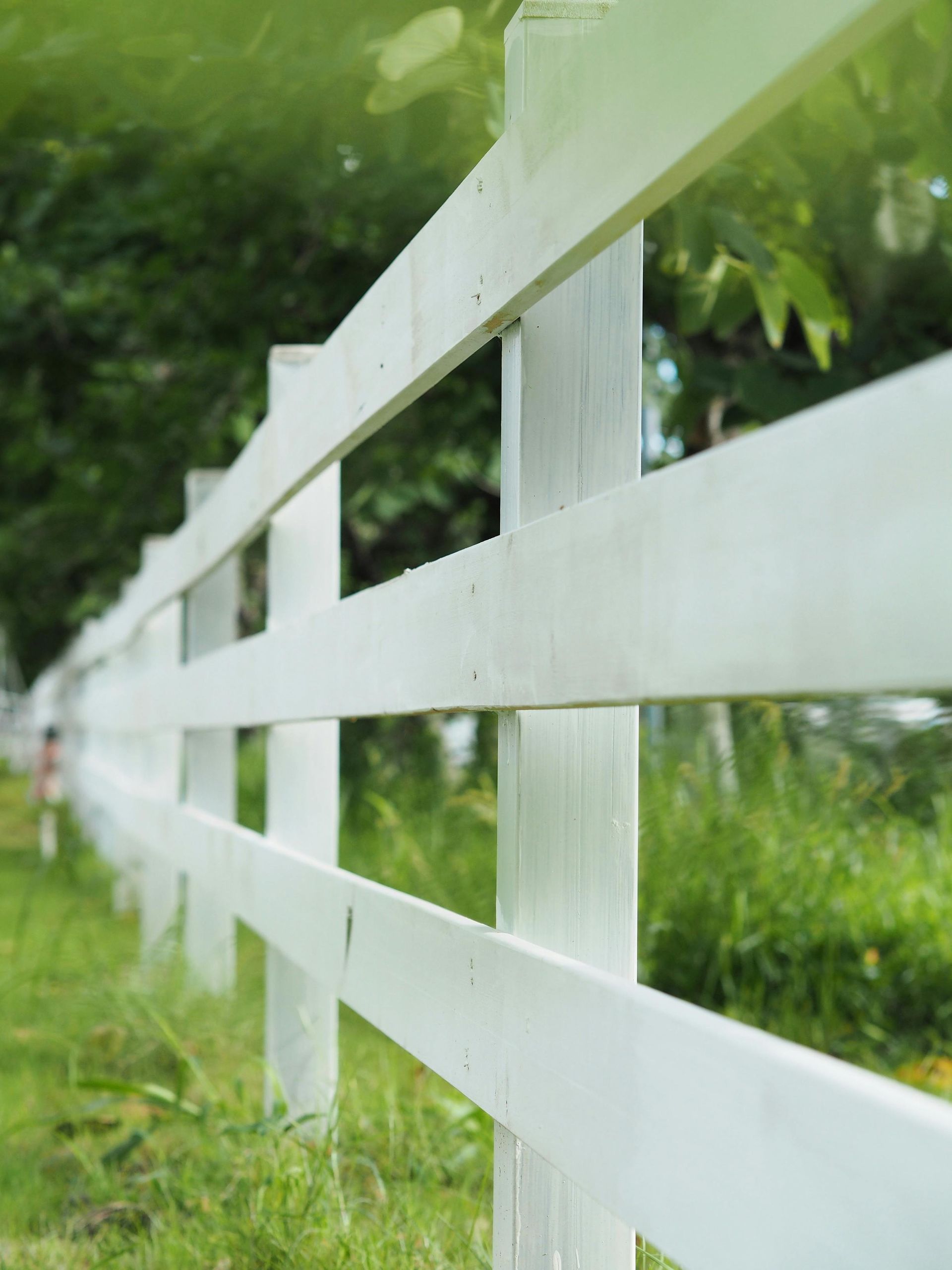
vinyl fences often require precise spacing and post placement due to their structured design.
If you are considering
vinyl fences, it is important to understand how panels are sized and how posts will align with your measurements. This helps make sure there is a clean and even installation.
Other materials like wood or chain link may offer more flexibility, but accurate measurements are still essential for all types.
Step 7: Calculate Total Linear Footage
Once all sides are measured, add them together to determine total linear footage.
- Add each side of your yard
- Include gate openings separately
- Round up slightly to account for adjustments or waste
This number helps determine how much material is needed for your project. Contractors often use this measurement to provide accurate estimates.
Step 8: Consider Professional Help
While measuring your yard can be done on your own, many homeowners choose to work with professionals to avoid errors. A professional can confirm property lines, take precise measurements, and recommend the best layout for your space.
Working with
Vinyl Fence Services can be especially helpful if you are planning a vinyl installation, since proper spacing and alignment are critical for long lasting results.
A trusted
Best Fence and Gate Contractor can also help you understand material options, design choices, and installation requirements based on your property.
Step 9: Double Check Everything Before Installation
Before moving forward with installation, always review your measurements.
- Recheck all yard sides
- Confirm gate locations
- Verify property boundaries
- Make sure calculations match your plan
This final step helps prevent mistakes and make sure that your fence project starts with accurate information.
Final Thoughts
Measuring your yard properly is one of the most important steps in installing a new fence. It affects everything from material costs to final appearance. Taking time to measure carefully, plan gate placement, and understand your terrain will lead to a smoother installation process and better results.
Whether you are installing for privacy, security, or curb appeal, accuracy at the beginning sets the foundation for a successful project.
FAQs